top of page

Let’s start with the uncomfortable bit.


A lot of content right now feels like it was made to fill space, not to move people.


Same hooks. Same recycled tips. Same “copy/paste expert tone”. And you can feel it. Your audience can feel it too.


Because we’re entering a new era where people don’t just scroll past bad content. They scroll past content that feels fake, sterile, or “too prompty”.


The kind of content that looks like someone asked an AI tool what to say, then posted the answer as-is.


This blog is inspired by a piece on emerging content marketing strategies (credit where it’s due), but we’re taking it one step further and looking at what this means as we walk into 2026.


2026 is going to be huge for content, not because there will be more of it… but because the gap between "noise" content and "signal" content is about to get painfully obvious.


Top Content Strategies in 2026_MD Media Marketing Personal Branding Agency

The problem in 2026: content is getting lazy


AI generated website content is everywhere now. Not just in blogs, but in captions, ads, landing pages, email sequences, and even video scripts.


And yes, AI SEO content can help. It can speed things up.


It can clean your writing. It can help you create content using AI when you’re stuck.


But when everyone uses the same tools the same way, everything starts to sound the same.


Search Engine Land even calls out the growing resistance to AI-generated content that lacks originality, personality, and authenticity, with one report finding that half of consumers see: AI use as a “turnoff.”


So here’s the controversial take:


In 2026, “perfect” content will be cheap.Real perspective will be expensive.


And the brands that win will be the ones who stop trying to sound correct… and start trying to sound true.


1) Visionary content is the new flex


Most brands are still stuck in pain-point content only.

  • “What’s your problem?”

  •  “Here’s the fix.”

  •  “Here’s the checklist.”


Useful, sure. But it’s not enough anymore.


One of the strongest ideas coming through is “visionary content”, content that doesn’t just solve today’s problem, it gives people something to believe in.


This concept draws on Matthew McConaughey’s speech: give people someone to look up to, something to look forward to, and a hero to chase”


…every year of my life my heroes always ten years away I'm never gonna be my hero I'm not gonna attain that I know I'm not and that's just fine with me because that keeps me with somebody to keep on chasing.

So instead of only saying:“Here’s how to get more leads.”

You start saying:“Here’s where your industry is going, and here’s how you stay relevant in it.”


Top Visionary Content Strategies_MD Media Altona North

Examples (simple ones that actually land):

  • A sustainability brand doesn’t just sell products. It paints a picture of a zero-waste future people want to be part of.

  • A finance brand doesn’t just explain money tips. It explains how decentralised finance could change everyday life, and what that means for real people.


Visionary content strategies do one thing really well: they make your audience feel like you’re leading, not following.


2) “Strategy” isn’t complicated. It’s just a smart plan.


A lot of people say “we need a strategy” and what they really mean is “we need direction”.


Strategy is deciding what you’re doing, who it’s for, and why you’re doing it… before you start.


It’s like going to the shops with a list. If you don’t have a list, you’ll buy random stuff and forget what you actually needed.


A real content marketing strategy in 2026 looks like:

  • Who are we speaking to?

  • What do we want them to think about us?

  • What do we want them to do next?

  • What are we going to say every week so people remember us?


3) 2026 needs less information, and MORE STRUCTURED INFORMATION


Here’s another strong shift.


People aren’t starving for information anymore. They’re drowning in it.


So the winners in 2026 won’t be the ones who say more. They’ll be the ones who organise it better.


A few ways to do that (without turning your content into a boring textbook):

  • Share a simple point of view, then back it with one clear example.

  • Turn your process into steps people can copy.

  • Create “saveable” frameworks, not generic motivation.


This is where your SEO organic traffic benefits too, because clear structure helps humans and search engines understand what you actually mean.


4) Short-form wins attention, but long-form builds trust


Short form will still dominate distribution in 2026.


It’s easier to watch. Easier to share. Easier to send to a friend.


But here’s the trick most people miss: short form works best when it’s built from something deeper.


Local Marketing Ideas_MD Media Marketing Studio

The best cadence (simple, realistic, not exhausting):

  • One strong long-form piece per week (blog, newsletter, YouTube)

  • Repurpose that into short-form reels across Instagram and YouTube Shorts

  • Drive it all back into something you own (your site, your list, your offers)


That’s how you stay consistent without burning out, and it’s one of the cleanest “content strategies in 2026” that actually scales.


5) GEO is real: you’re not just writing for Google anymore


This part matters if you care about visibility.


Search is changing fast because people are getting answers from AI summaries, not just blue links.


In the current context, it is called LLM SEO. It might seem quite technical, but the basics are already clear.


Here’s what to do:

  • Use structured data markup so platforms can “read” your pages properly.

  • Use contextual cues (keywords with meaning, not keyword stuffing), so your topic is obvious.

  • Cite reputable, up-to-date sources with links to improve trust signals.


This is where AI SEO content becomes less about writing fast and more about writing in a way that machines can correctly interpret.


6) Local brands are about to have a big advantage


Here’s a hot take we’ll stand by.


The more AI floods the internet, the more people crave real, local, human proof.


So if you’re a Melbourne business (or any local business), 2026 is a massive opportunity.


Some local marketing ideas that will matter more than ever:

  • Show your team. Show your space. Show your process.

  • Feature customers, collaborations, local creators, local venues.

  • Make content that proves you’re real, and active, and trusted in your area.


Local Marketing Strategies_Basfoods_Focus on People and Value and Community building aspect

These are the best local marketing strategies because they’re hard to fake. And they build trust faster than polished ads ever will.


What to do next (if you want a clear path into 2026)


If you want to take this and apply it, keep it simple:

  • Pick a point of view you actually believe, and build content around it.

  • Mix structured content (frameworks, steps, how-tos) with visionary content (where things are going).

  • Use short form for reach, long form for trust.

  • Improve your site so it’s readable by humans and LLMs.

  • Make local proof a core part of your content if you serve a local area.


That’s the play. Not louder content. Not more content. Better content.


The MD Media path (and why we’re leaning into it harder in 2026)


Here’s what we’re seeing everywhere right now: people are bored of “correct” content.


They don’t want another recycled tip, another safe take, another post that feels like it was written for the algorithm first and humans second. 


They’re craving new views. Real opinions. A stronger sense of where things are going, and what it all means.


MD Media Marketing_Visionary Content Strategies

That’s why, at MD Media, we’re not building brands to look “ultra-perfect”. We’re building brands to feel unforgettable.


Our approach is simple:

  • We lead with perspective, not templates. If your content could be posted by anyone, it won’t be remembered by anyone.

  • We use strategy to create direction, then we use creativity to make it hit. Not just “what to post”, but why it matters and how it should feel.

  • We stay human on purpose. Because in an AI-heavy world, your humanity becomes your competitive advantage.

  • We focus on nuanced, emotion-led storytelling. The kind that makes people stop, think, save it, share it, and come back for more.


Visionary content isn’t about predicting the future like a fortune teller. It’s about giving your audience something to move toward. Something that inspires action. 


Something that makes them feel like, “Yep - that’s the kind of brand I want to follow.”


Because in 2026, the brands that win won’t be the loudest.


They’ll be the ones that make people feel something real.


When Basfoods first came to MD Media, they weren’t a brand with a clear identity.


They were proof that going viral can do more harm than good, and bring attention for all the wrong reasons.


Scattered products, gimmicky attempts, and a lack of a clear story behind the culture of the food.


Our job was to turn that soul into a brand system that drives discovery, foot traffic, and loyalty. We took the slow, generous rhythm of the Mediterranean table.


We shaped it into a modern identity: clear messaging, story-first content, and a funnel that respects how people actually shop. Heritage over hype. Hospitality without hesitation.


  • Brand Strategy

  • Visual Identity

  • Copywriting & Brand Voice

  • Content Strategy & Social

  • Photography & Short-Form Video


Customer foot traffic at BAS Foods Melbourne brand storytelling and local community engagement

About


Basfoods is a Brunswick institution, retail, wholesale, and national importer serving chefs, families, and food lovers across Melbourne.


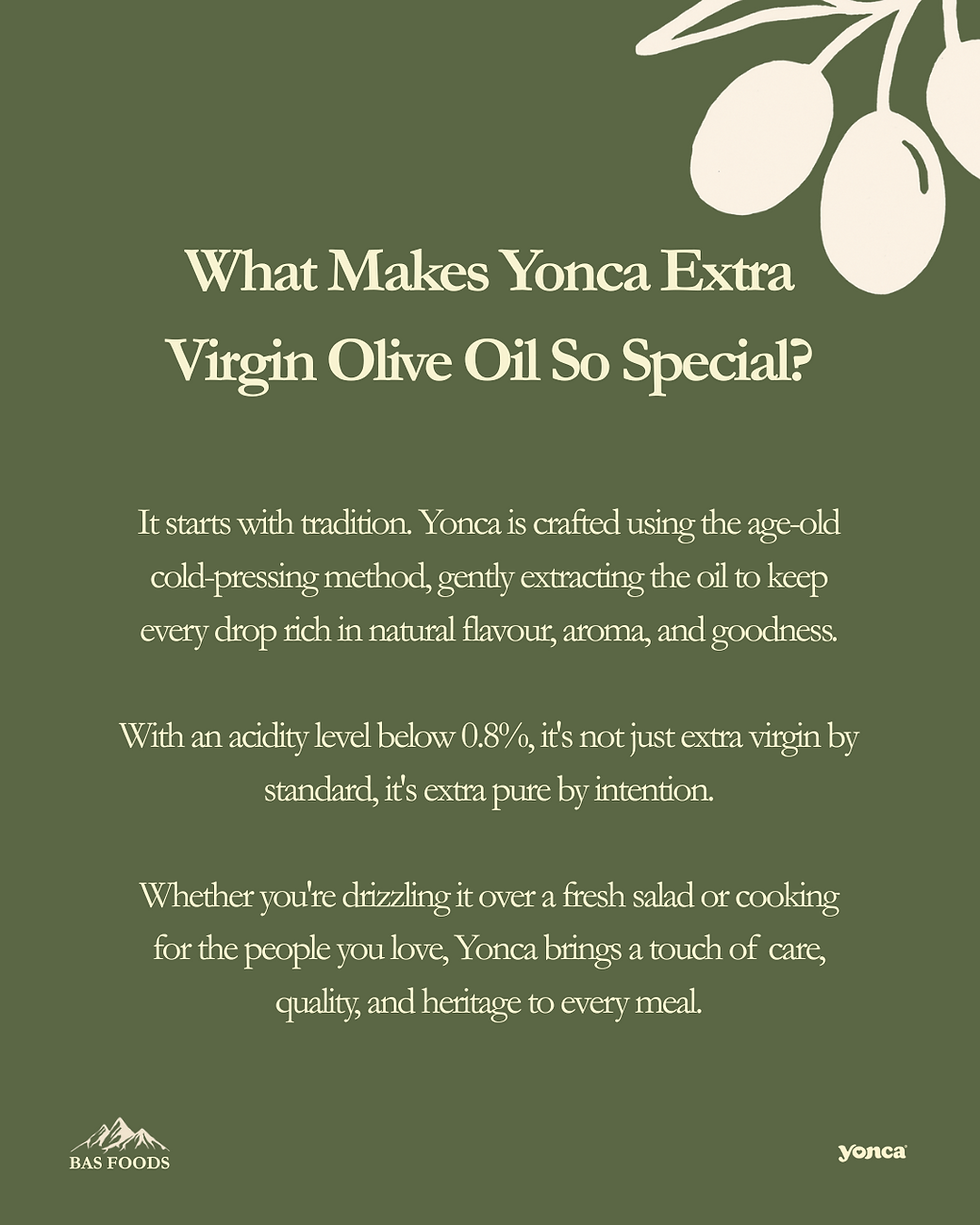
The range is curated, authentic, and deeply nostalgic: the olive oil your nonna swore by, the biscuits that taste like home, the spices that turn dinner into a story.


In a market where ethnic and Mediterranean grocery stores are proliferating,


Basfoods occupies a sweet spot: trusted, local, and rich in meaning.


In-store hospitality moment at BAS Foods Melbourne and Mediterranean warmth and family values
Staff assisting a customer with spices at BAS Foods Brunswick ethnic grocery Melbourne


Brief

This team had a clear heartbeat: heritage, family, authenticity but the execution was scattered. They needed a partner to organise the story, modernise the touchpoints, and make content convert.

  • Disjointed branding → no cohesive visual or narrative system

  • Low social conversion → posting without funnels or CTAs

  • Outdated website/SEO → legacy platform hurting digital presence

  • Operational gaps → inconsistent in-store experience

  • Wholesale constraints → pricing restrictions online, so storytelling had to carry the weight

We were asked to create a strong, consistent, iconic brand without losing the warmth that makes BAS, BAS.


Storytelling tags and wayfinding at BAS FOODS preserving Mediterranean culture in Melbourne

Strategy and Tone

We took a soul-rich, emotional brand and made it crisp, repeatable, and human. Through workshops and deep dives, we distilled Basfoods into a tone that feels like family at the table: warm, plain-spoken, generous, proud.

  • Positioning: Australia’s most trusted destination for Mediterranean groceries—where heritage comes first.

  • Platform: Where Home Still Lives | The creative idea that threads through reels, recipes, and in-store experiences.

  • Pillars: Pantry Staples, In-Store Moments, Specials & Campaigns, Meet the Team, Cultural Connection.

  • Funnel: Attract (reels/stories) → Capture (QR recipe downloads) → Nurture (emails) → Convert (visit/order).

Strategy here wasn’t about softening edges; it was about sharpening the message. Signal over noise. Familiarity over flash. People first, always.


BAS FOODS Brunswick Grocer Store

Mediterranean Recipe BAS FOODS Brunswick Store_MD Media Personal Branding and Marketing

BAS FOODS Social Media Marketing Melbourne

BAS FOODS Recipes_Melbourne Brunswick Grocer


Logo

We didn’t redraw the past; "we respected it". Rather than a wholesale redesign, we standardised the logo’s usage: clear spacing, scale rules for print/digital, and guidance for pairing with photography and typography. The mark now sits confidently across social, signage, and packaging aids without crowding the story.


BAS FOODS LOGO
BAS FOODS Logo 2 Vertical Family Owned Since 1981

Icons and Colours

We refined a Mediterranean-inspired visual language: subtle, timeless, and legible in the real world:

  • Colour system tuned for print and screen (warm neutrals with considered accents)

  • Iconography for origin, storage, and use (quick-scan cues for busy shoppers)

  • Accessibility checks so price cards, recipe cards, and story tags remain clear at a glance

The result: visuals that feel like olive wood and sun-warmed stone—never gimmick, always grounded.


BAS FOODS Marketing_MD Media
BAS FOODS Mediterranean Grocery

Touch Points

We kept touchpoints intentional so the brand’s story could do the heavy lifting.

  • Social: 2 reels/week + 3 posts/week + daily stories; hard hooks, soft nostalgia, clear CTAs

  • Recipes: save-worthy formats that link ingredients → meals → memories

  • In-store | Story tags (“This honey comes from the mountains of Zagori…”), cultural corners, and hospitality moments (tea/biscuits)


By removing what wasn’t needed, we gave the Mediterranean grocery Melbourne audience room to feel the brand and act.


BAS Foods Brunswick storefront_family-owned Mediterranean grocery in Melbourne
BAS Foods team welcoming customers heritage driven Mediterranean grocer in Brunswick

Messaging

We built language that speaks like a host, not a billboard: clear, proud, human.

  • “Home is never far.”

  • “Heritage over hype.”

  • “Authenticity, always.”

  • “Hospitality without hesitation.”

  • “From pantry to story.”

  • “Real ingredients. Real places. Real people.”

Every line points to brand storytelling over salesy noise because people buy what feels true.


Cultural signage and warm lighting at BAS Foods heritage over hype brand identity

Packaging & In-Store System

Drawing on the poise of premium grocers, we utilised white space and warmth to create calm amidst busy shelves, featuring tidy price cards, origin notes, and recipe takeaways.


Photography leans close; bread is torn by hand, oil is poured slowly, so the Mediterranean grocery soul shows up without shouting. Elevated but honest, just like the Basfoods shop floor.


BAS Foods marketing campaign visuals Melbourne Mediterranean grocery growth story
MD Media photography and video production for BAS Foods case study documentation

Result


What began as a heritage-rich brand with scattered outputs became a cohesive identity and growth engine.

August 2025 (first full month of social management, 1–23 Aug):

  • Views: 94,901 (+88% vs July)

  • Reach: 17,779 (+174%), with 58% non-followers discovered

  • Total interactions: 1,562 (+102%)

    • Comments: +314%

    • Shares: +137%

    • Saves: +193%

  • Profile visits: +133%

  • External link taps: +102%

  • Business address taps: +19%

  • Net followers: +160 (vs +59 in July)


MD Media behind-the-scenes content shoot at BAS Foods and social media strategy in action

The content mix shifted from reel-heavy to balanced (reels + posts + stories).

Personality-led pieces (more of Bertan and the team) and recipe content lifted saves and shares, while community collaborations kept non-follower reach strong.


Proof that when brand strategy, content strategy, and hospitality line up, content converts online and in-store.


Are Influencers Over_Personal Branding Strategy in the Creator Economy_MD Media Marketing Altona North Personal Branding Agency

We’re living through a shift. The creator economy keeps growing, but audiences are getting sharper. They can easily identify a salesy plug from a great distance. 


That’s why personal branding, done with intent, empathy, and clarity, beats a follower count every time.


Here’s our simple take on influencer vs creator and where personal brand strategy works in 2025. 


It’s psychology meets content: identity, reputation, and repeatable systems. 


If you’re a founder, consultant, or creative in Melbourne, here’s how to build a personal brand people trust and buy from.


What’s the Difference: Influencer vs Creator vs Personal Brand?


  • Influencer: Sells attention. Their value sits in distribution. Product‑led partnerships, trend‑led content. It works, but trust can be shallow.

  • Creator: Builds things. Videos, frameworks, ideas, products. Value sits in originality. The work itself attracts attention.

  • Personal Brand: A creator with a point of view and a business engine. Not a “logo in disguise”, but a person with thought leadership, a clear content strategy, and offers that solve real problems.


If your goal is demand, not just views, stack your brand like this: identity → narrative → offers → content → distribution. That’s personal branding.


The Psychology That Powers Personal Branding

People don’t buy the most polished content; they buy what feels true.

  • Clarity reduces cognitive load. Say what you do in one breath. Your one‑liner is the switch that turns strangers into prospects.

  • Consistency builds trust. Familiarity (the mere‑exposure effect) is why staying present works. Show up, repeat it, better.

  • Specificity creates belonging. Talk to somebody, not everybody. Niches are where trust compounds.

  • Story drives memory. Your lived experience is data with a soul. Use it. That’s brand storytelling.

If you remember one thing, it's that signal beats noise. (Read our take: Signal vs Noise in Personal Branding)


A Simple Personal Brand Strategy (That Doesn’t Burn You Out)


Before that, what does even strategy mean?


Strategy is just a plan to win. It says where we are now, where we want to go, and the few steps we’ll take to get there; plus what we’ll ignore. Think of it as a map so we don’t get lost.


1) Define the POV that separates you. Write your one‑liner: I help [specific audience] achieve [valuable outcome] with [distinct method]. This anchors your thought leadership.

2) Choose three content pillars.

  • Authority: Teach what you know (frameworks, case notes, contrarian takes).

  • Relatability: Personal stories, values, behind‑the‑scenes.

  • Proof: Results, processes, testimonials.

This balances expertise with humanity, offering authentic marketing without the noise.

3) Pick one primary platform. Dominate where your buyers hang out: LinkedIn, Instagram, YouTube. Repost elsewhere, but build one “home base” first.

4) Run the weekly pillar system. Ship one long‑form piece (newsletter, article, or video). Repurpose into 5–7 short posts (reels, carousels, threads). This is how you scale a content strategy without living on your phone.

5) Build the low‑friction funnel. Add a single landing page: lead magnet → nurture emails → clear offer. Your personal branding pays off when discovery, trust, and action feel natural.

6) Measure what matters. Track watch time, saves, profile clicks, replies, and inbound leads. Views are weather; content that converts is the climate.

7) Protect the craft. Trends are fine. If they sound like you, when the algorithm screams, stay human. Original beats viral in the long run.


Creator vs Influencer: Which Wins in the Long Run?


Short answer: neither without credibility. Long answer: The creator with a personal brand wins. Why?

  • Trust > Hype. Audiences want usable value and a clear point of view, not just a product plug.

  • Durability. Offers built on repeatable IP (frameworks, training, services) outlast trends.

  • Founder‑led marketing. When the person who built it explains it, conversion rates jump.

If you’re choosing where to invest, invest in yourself: your voice, frameworks, and a content library that you own.


Example: From “I Sell Clothes” to “I’m a Trusted Creator”

Goal: Build trust beyond a single product so the audience follows you, even if you pivot.

  1. One‑liner: “I help busy women build a capsule wardrobe that feels like them without fast fashion.”

  2. Pillars:

    • Authority: 3‑outfit formulas, fabric quality tips, care guides.

    • Relatability: BTS of shoots in Altona North, thrift finds, an outfit that flopped (and why).

    • Proof: Before/after looks, short client quotes, mini case notes.

  3. Platform: Make Instagram your home base; repost short clips to TikTok/YouTube. Use LinkedIn for founder‑led posts about process and values.

  4. Weekly pillar: Publish a “Sunday Outfit Playbook” (newsletter/blog). Repurpose into 5–7 reels/carousels for the week.

  5. Simple funnel: “Capsule Wardrobe Starter” lead magnet → 3‑email welcome series → 1:1 styling session or small cohort workshop.

  6. Measure: Watch time, saves, profile taps, booking enquiries; not just views.

  7. Protect the craft: Try trends only if they sound like you. Your voice first, algorithm second.

Why this works: People won’t just see you as “someone who sells clothes.” They’ll see you: your taste, your method, your values. If you move into wellness, design, or education later, they’ll follow because the personal brand is the bridge. That’s flexibility, trust, and authentic connection.

Common Mistakes (And What to Do Instead)

  • Mistake: Chasing virality without a value ladder.

  • Fix: Ship weekly long‑form, then repurpose. Let your best ideas travel.

  • Mistake: Talking to “everyone in Australia.”

  • Fix: Pick one buyer type. Write as if you’re DMing them.

  • Mistake: Over‑branding, under‑being.

  • Fix: Founder on camera. Everyday language. Bold opinions.

  • Mistake: Activity ≠ progress.

  • Fix: Tie posts to a specific offer or next step.

Bonus Tip: Learn from Sophie (@sophworkbaby)

We love Sophie’s “new school” approach to personal brands; clear structure, simple systems, and staying human.


It’s a great complement to this playbook: A new school approach for your personal brand.


Final Word: The Algorithm Rewards Attention, People Reward Integrity


You don’t need to be louder. You need to be clearer. 


The creators who win the next five years aren’t performing “influence”; they’re practising personal branding with empathy, originality, and proof.


Ultimately, people don’t just buy your product.


They buy who you are, what you stand for, and how consistently you show up.


Cut the noise. Follow the plan.


*(NOTE: YOU MIGHT NEED TO MAKE A COPY TO EDIT THE SHEET)

bottom of page